Coaching Engineers to Lead the Room in Design Reviews and Client Meetings

Engineers are often asked to present at the moments that matter most: a recommendation to a client, a defense of a design to a review board, a briefing to executives before a major decision. Their analysis is usually sound. What coaching adds is the ability to deliver that analysis in a way that earns the audience's attention and trust. Engineers who work with a coach tend to find that the changes are practical and fast to learn, and that they apply immediately in the very next meeting. The benefit extends beyond any single talk. Engineers who communicate well are given larger roles in client relationships, are invited to more meetings, and are trusted to speak for the firm. Coaching is a direct route to that responsibility, and it respects the time of busy professionals by focusing on what actually changes outcomes in the room.
Find the One Message
Technical presentations tend to include everything the engineer knows. A coach pushes toward one central message and a small number of supporting points. The exercise is simple: finish the sentence "the audience should leave knowing that..." and test every slide against it. Material that does not support the sentence moves to the appendix. This discipline shortens the talk and helps the audience remember what matters, which is the real purpose of the meeting.
Control Pace and Voice
Many engineers speak quickly and in a flat tone when nervous. A coach listens to a recording and points out where a pause would help a key number land, or where a change in emphasis marks the recommendation. These adjustments feel awkward at first and sound natural to listeners. Breathing before each new section and finishing sentences with a firm tone makes the speaker sound sure of the work, without any change to the content.
Use Visuals as Evidence
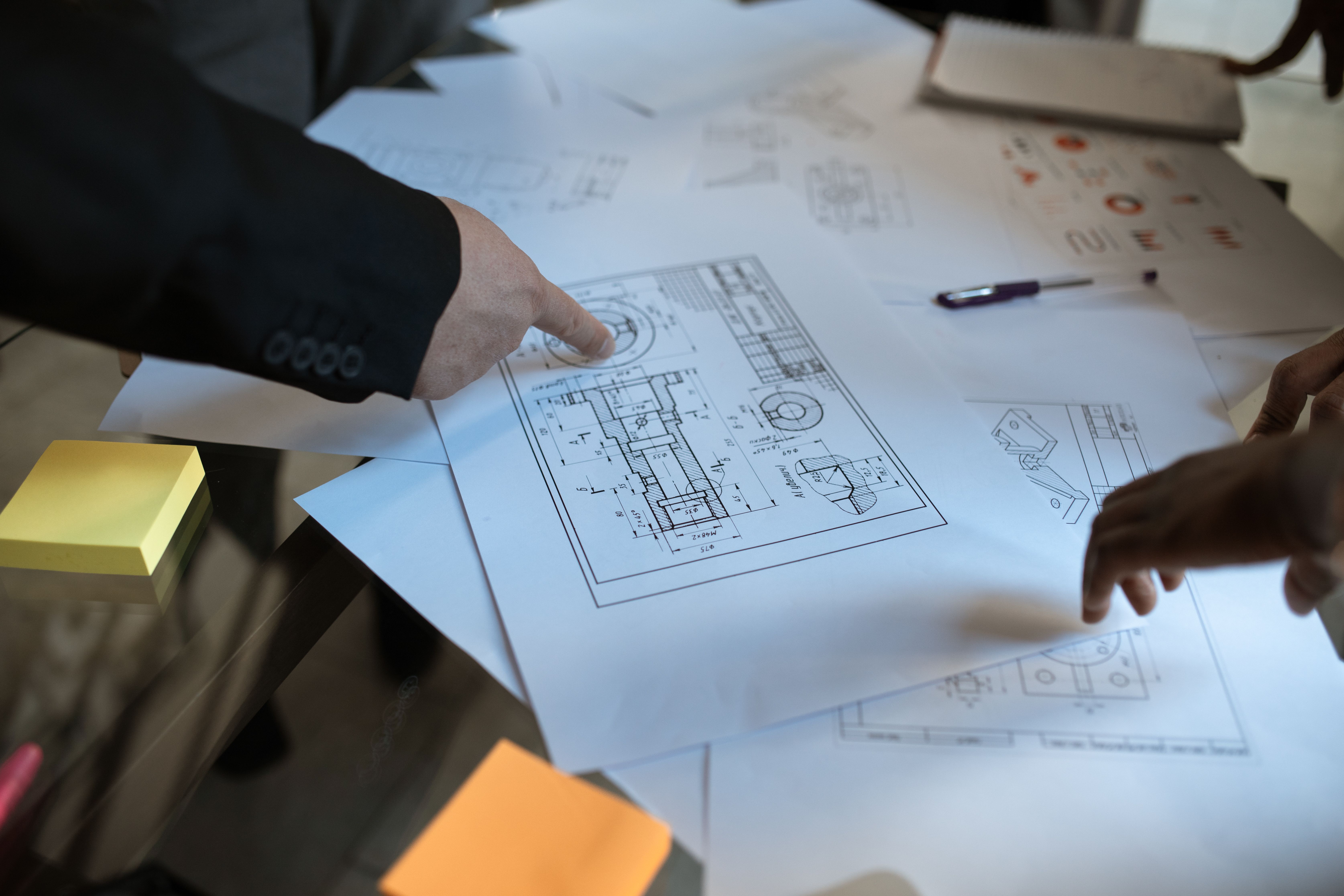
Engineers have excellent visuals available: models, sections, charts, test results. Coaching shows how to select the one that makes each point and remove clutter from it. A graph with a clear title stating the conclusion is more useful than one that requires the audience to find the pattern. Annotating a drawing live, or pointing to a specific element, keeps the audience oriented while the engineer explains.
Handle Disagreement Calmly
Design reviews involve challenge. A coach rehearses responses to pointed questions so the engineer can acknowledge the concern, answer the question, and move on without becoming defensive. Listening fully before responding is a habit that can be practiced. When an answer is not known, saying so and committing to follow up preserves credibility. Audiences forgive an honest gap more readily than a bluff.
Prepare for Remote Meetings
Many presentations now happen on a video call. Camera position, lighting, audio quality, and how to share a screen without losing eye contact all affect impressions. Coaching covers these practical points, including how to read a virtual audience and invite questions. A few small setup changes can improve how an engineer appears on every call, with little added effort.
The Bottom Line
Presentation coaching helps engineers deliver sound analysis with clarity and presence. The work centers on a single message, controlled delivery, strong visuals, and calm handling of questions. A few focused sessions tied to real upcoming meetings can change how clients and colleagues respond to an engineer's recommendations, and that influence often lasts throughout a career. Engineers interested in coaching can start with one real presentation coming up in the next month. Share the draft slides, record a practice run, and review it with the coach. Pick two habits to change, apply them in the meeting, and report back on how it went. That cycle of preparation, delivery, and review is the whole method, repeated until the new habits are automatic.