Coaching Engineers Who Present to Boards, Councils, and Public Meetings

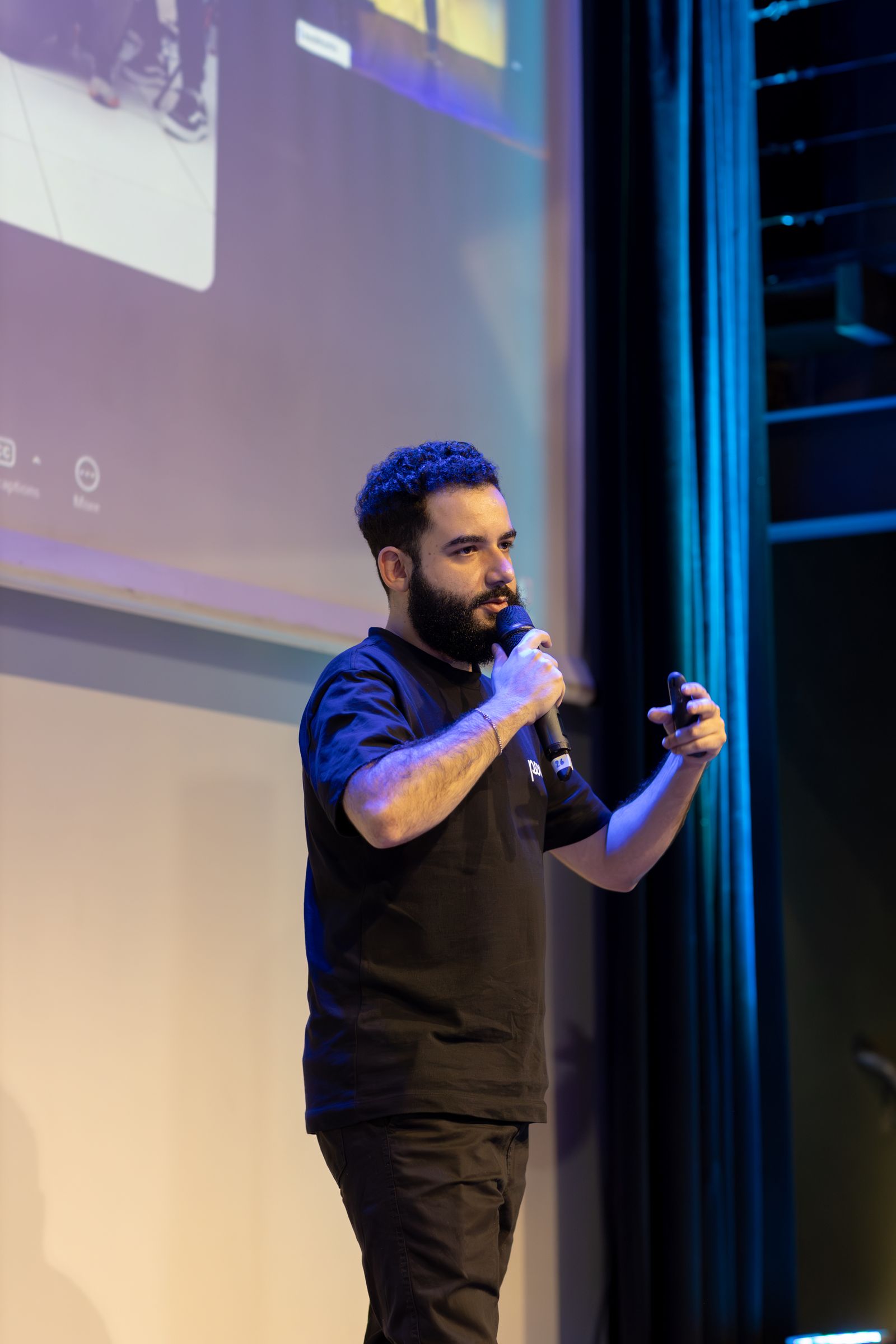
Engineers who work on public infrastructure eventually present to people who did not choose to attend a technical meeting. Council members, board trustees, and residents come with concerns about cost, disruption, and fairness, not with an interest in design criteria. A presentation that works at a design review can fall flat in that room. Presentation coaching for engineers helps technical professionals prepare for audiences that are mixed, skeptical, and sometimes emotional.
Know Who Is Actually in the Room
A public meeting has several audiences. Some listeners want a decision, some want reassurance, and some want to be heard. Coaching begins with a short audience map, listing who will attend, what they care about, and what they are likely to ask. The presenter then builds the talk to speak to the main concern in each group.
Lead With the Effect on Daily Life
Residents care about road closures, noise, water pressure, and bills. An engineer who opens with how long the work will take and what changes on a given street gets attention that a pipe diameter never would. Coaching exercises have the presenter rewrite technical points as plain statements about what someone will notice.
Keep Visuals Simple and Large
Meeting rooms are often poorly lit, and slides are viewed from the back. A map with three labeled areas will work better than a dense plan sheet. Coaches help engineers choose a few visuals, enlarge them, and talk through them slowly. The detail stays in the appendix for anyone who asks.
Prepare for Emotional Questions
Some questions are not about facts. A resident may be worried about property values or a past project that went badly. Coaching helps engineers acknowledge the concern in one sentence, answer the factual part, and offer a follow-up. That approach is respectful and keeps the meeting moving.
Use a Facilitator Mindset
Engineers are often asked to present and respond at once. Coaching encourages a calm pace, direct eye contact, and a habit of repeating a question before answering it. These small techniques give the presenter time to think and show the audience that questions are being taken seriously.
Practice With Realistic Interruptions
A rehearsal with interruptions, side comments, and a timer is closer to the real event than a clean run-through. Engineers who practice in these conditions find that real meetings feel manageable. Recording the session lets them watch how they handle disagreement and adjust their tone.
Prepare a Short Written Follow-Up
Public meetings rarely settle every question. A one-page summary with the recommendation, key dates, and a contact person gives attendees something to take home and reduces repeated questions later. Coaching helps engineers decide what belongs on that page and write it in plain language, so the presentation continues to work after the room is empty.
Build Confidence With Repetition
Public speaking improves with practice more than with advice. Engineers who present to a small internal group each month, with a coach or a peer giving short feedback, usually become comfortable within a year. Firms that schedule this practice find that their technical staff volunteer for public meetings more readily, which spreads the workload and develops future project leaders.
Choose the Right Person to Present
Not every engineer needs to present at every public meeting. Coaching helps firms decide who is best suited to each audience, based on communication style and familiarity with the project. A calm senior engineer may suit a contentious council session, while a younger project engineer with strong visuals may suit a neighborhood open house. Matching presenter to setting improves outcomes.
The Bottom Line
Public presentations reward clarity, patience, and respect for the audience's concerns. Coaching helps engineers translate technical work into what people will experience and prepares them for questions that are not only technical. The result is a presenter that boards and communities are more willing to trust.