Presentation Coaching for Engineers: Clear Communication Under Scrutiny

Engineers present to people who often cannot evaluate the technical work directly. A city council reviews a stormwater design. A board approves a bridge rehabilitation. A selection committee compares two firms with similar credentials. In each case the engineer must make a complex subject understandable and credible at the same time. Presentation coaching helps engineers do that by working with each individual on how they speak, structure and respond.
Diagnose Before Prescribing
A coach starts by watching an engineer present real material and noting where the audience would struggle. Common patterns appear quickly. Some engineers start with background that the audience does not need. Some use jargon without defining it. Others deliver a strong conclusion at the end of a long explanation, after the audience has already lost the thread.
Naming these patterns precisely is the first step toward changing them.
Lead with the Conclusion
Engineers are trained to present in the order they worked: problem, method, results, recommendation. Audiences prefer the opposite. Coaching encourages starting with the recommendation and its main reason, then supplying the method and evidence for those who want it.
This reversal feels uncomfortable at first. Most engineers find it leads to better conversations, because the audience can engage with the conclusion immediately instead of waiting for it.
Make Numbers Meaningful
Engineers love data, and audiences remember stories. Coaching helps translate numbers into consequences. A flow rate becomes the number of homes served. A load rating becomes the weight of the heaviest truck on the road. A schedule duration becomes the number of school years a project spans.
Charts should be simple enough to understand in a few seconds. Coaching includes feedback on graphs, labels and how to guide the audience's eyes through a figure.
Practice Handling Skeptical Audiences
Public meetings and client reviews can be adversarial. Residents may doubt a traffic study. A client may question the cost of a recommended option. Coaching rehearses these exchanges so the engineer can stay calm, acknowledge the concern, and respond with evidence instead of defensiveness.
Listening is part of the skill. A presenter who restates a question before answering shows respect and gives themselves a moment to think.
Build Presence
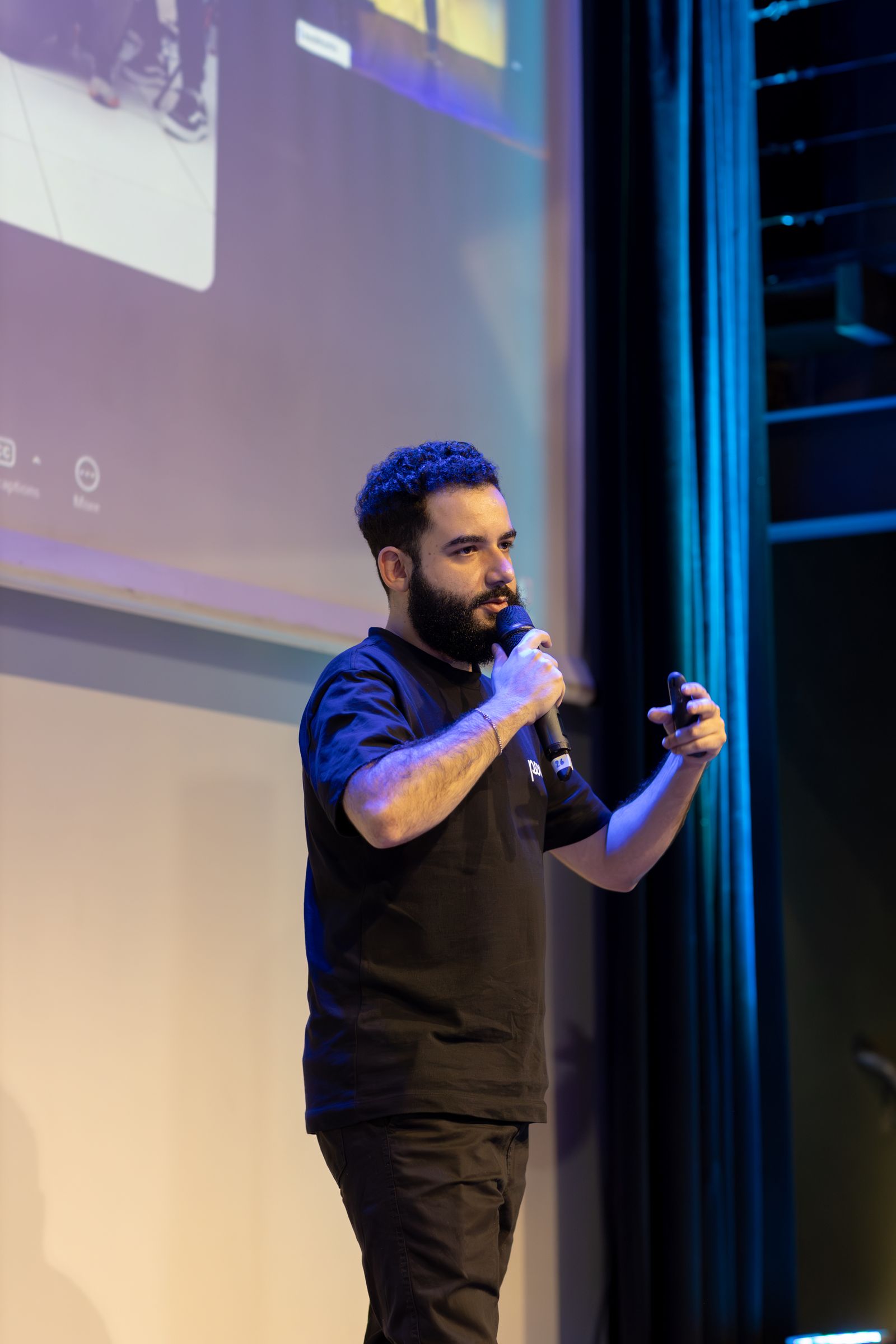
Voice, posture and movement shape how an audience judges competence. Coaching works on speaking at a measured pace, pausing after key points and avoiding the habit of turning toward the screen. These changes are small, and they have a large effect on how credible a presenter appears.
For remote presentations, coaching also covers camera position, lighting and ways to keep an online audience engaged.
Present as a Technical Team
Engineering proposals frequently involve multiple disciplines. Coaching helps teams coordinate their sections, avoid repeating each other and show how the disciplines connect on the project. The result sounds like one team solving one problem, which is the impression an owner wants.
Track Progress
Recording early and later sessions lets engineers see their own improvement, which supports motivation and makes the coaching concrete. A short list of two or three habits to work on between sessions keeps the effort manageable.
The Bottom Line
Presentation coaching helps engineers lead with conclusions, turn data into meaning, stay composed under challenge and present as a coordinated team. The work is individual and practical, and engineers who go through it often find that clear communication becomes another technical skill they can refine. For firms that depend on persuading clients and communities, that skill pays off in every meeting.