Presentation Coaching for Engineers: Clear Delivery for Complex Ideas

Engineering firms win work on technical merit, yet the final selection is frequently made by a panel that includes non-engineers. Presentation coaching for engineers helps technical professionals deliver their ideas with the clarity and confidence needed to carry both the specialists and the generalists in the room.
Identify the Real Audience The sections below walk through the steps that matter most to technical teams, in the order they tend to come up.
Before building a talk, coaching asks who will be on the panel and what each member needs. A utility director, a city council member, and a finance officer will each listen for different things. A coach helps the engineering team tailor the key messages so that each of those people hears something that matters to them, without turning the talk into a collection of side remarks.
Simplify Without Dumbing Down
Engineers sometimes worry that simplifying will cost them credibility. Coaching shows that the opposite is often true. A clear explanation of why one treatment alternative suits the site, delivered in a few sentences, signals mastery. Reading through a long list of design parameters tends to signal that the speaker is not sure what matters. The coach helps decide which details belong in the room and which belong in the submittal.
Use Analogies and Examples
A good analogy can make a complex process accessible. Comparing a stormwater system to a bathtub with an overflow, for instance, helps non-technical listeners grasp capacity and redundancy. Coaching encourages engineers to prepare a few of these and to pair them with a specific example from past work, so the explanation feels grounded instead of abstract.
Pay Attention to Delivery
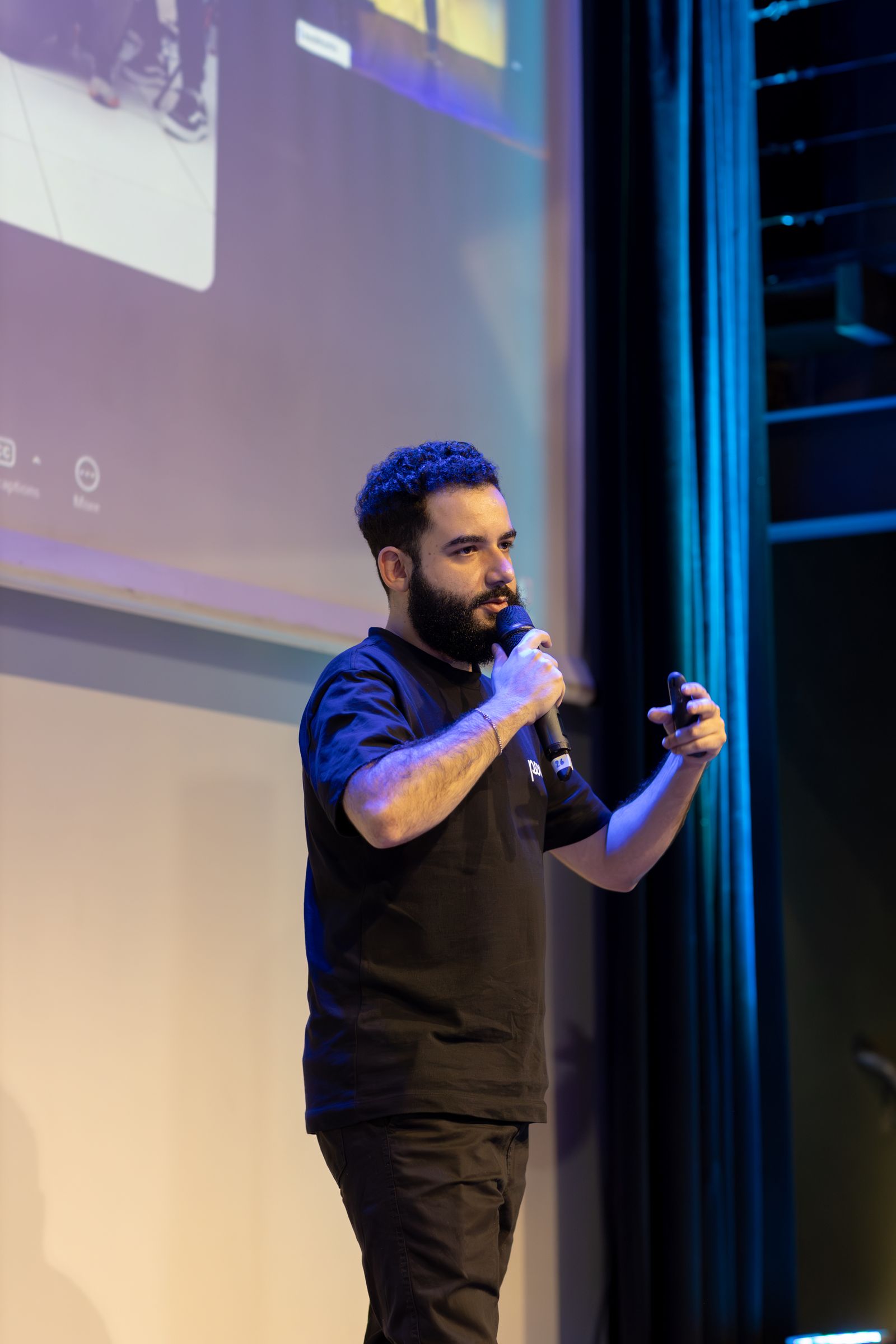
Pace, volume, and gestures influence how an audience receives technical content. Many engineers speak quickly and quietly when they are nervous. Video review during coaching sessions helps speakers hear themselves, and drills on pausing and emphasis improve clarity within a few sessions.
Prepare the Team for Questions
Engineering interviews often include probing questions on assumptions, risks, and alternatives. A mock panel that presses on these topics helps the team practice responses that are direct and concise. Coaches also teach the team how to hand off a question to a colleague gracefully when another person has the better answer.
Make the Slides Work for You
Dense charts and long tables can overwhelm a panel. Coaching helps the team convert key data into a simple graphic and reserve detail for the appendix. A single slide that shows the project timeline, the key risks, and the team's response can replace several pages of text and keep the discussion focused.
Coach the First Ninety Seconds
The opening of a presentation sets the tone. Coaches often have engineers script and rehearse the first ninety seconds more than any other part. A strong opening states the client's challenge, previews the main points, and introduces the speaker with confidence. Once the opening is solid, nerves settle, and the rest of the talk tends to follow. Engineers who memorize the first few sentences and the last few sentences, while speaking the middle from an outline, usually sound more natural than those who read the whole talk or improvise everything.
Rehearse the Handoffs
Coaches spend time on the moment one speaker finishes and the next begins. A single sentence that connects the topics keeps the audience oriented and makes the team look coordinated. Practice the physical details too, including who advances the slides and who stands where. These small items are easy to rehearse and noticeably improve how organized the group appears.
The Bottom Line
Presentation coaching for engineers builds on technical strength. It helps teams explain complex ideas in plain terms, deliver them with confidence, and answer questions clearly. Firms that invest in this skill often find that their best work gets recognized by the people who decide.